

Paper accepted for publication at ECCV 2026
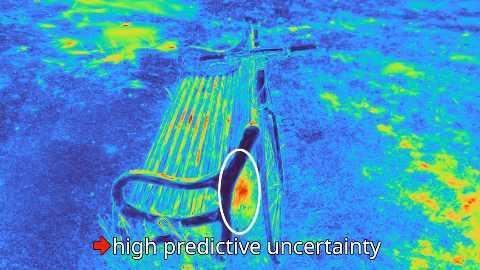
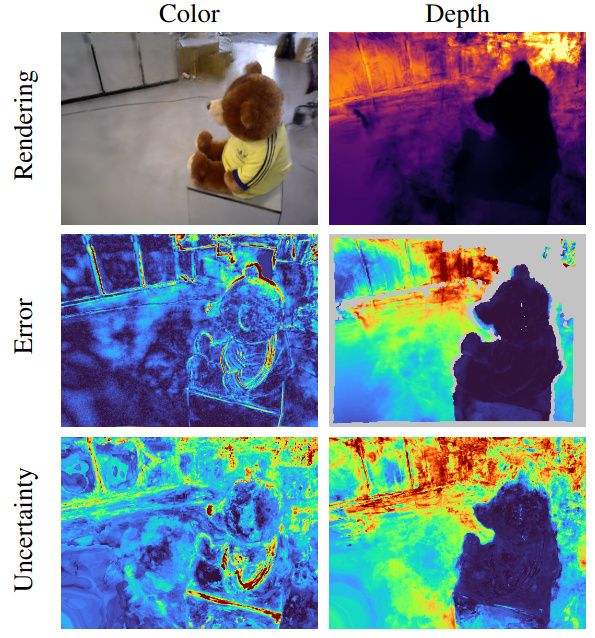
Our joint work with Queensland University of Technology entitled “Predictive Photometric Uncertainty in Gaussian Splatting for Novel View Synthesis” has been accepted for publication at ECCV 2026.
The OSVIA Lab researches methods that teach machines to see – from the basics of classical computer vision to modern deep learning approaches. Our goal is to develop algorithms that process visual data reliably, efficiently, and explainably. We work on problems ranging from the recognition and analysis of complex scenes to 3D reconstruction and robust machine learning. With our research, we bridge the gap between theory and application – for advances in science, industry, and society.
Universität Osnabrück: AG Computer Vision and Robust AI
Bergische Universität Wuppertal: AG Applied and Computational Mathematics
Galappaththige, C., J., Gottwald3, T., Stehr, P., Heinert, E., Suenderhauf1, N., Miller, D., Rottmann, M. (2026)
Klees , J., Riedlinger, T., Stehr, P., Böddecker, B., Kondermann, D., Rottmann, M. (2026)
Mütze, A., Ilyas, S., Dörpelkus, C, Rottmann, A. (2025)
A Modular Framework and Benchmark for Object Detection Datasets. (2025)
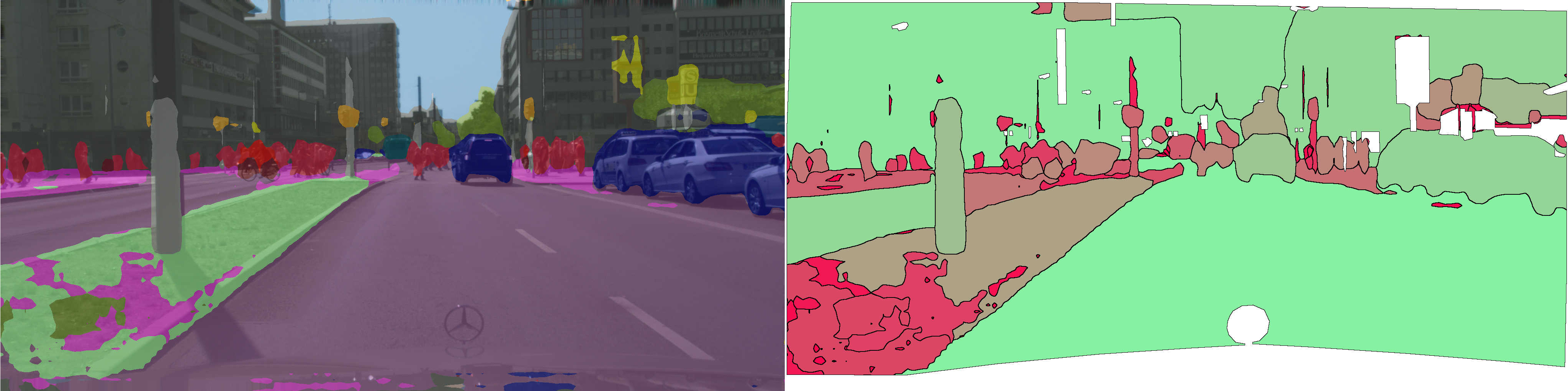
Anomaly Instance Segmentation Benchmark. (2024)
A Benchmark for Anomaly Segmentation. (2021)
Ongoing and recent work with our research and industry partners.
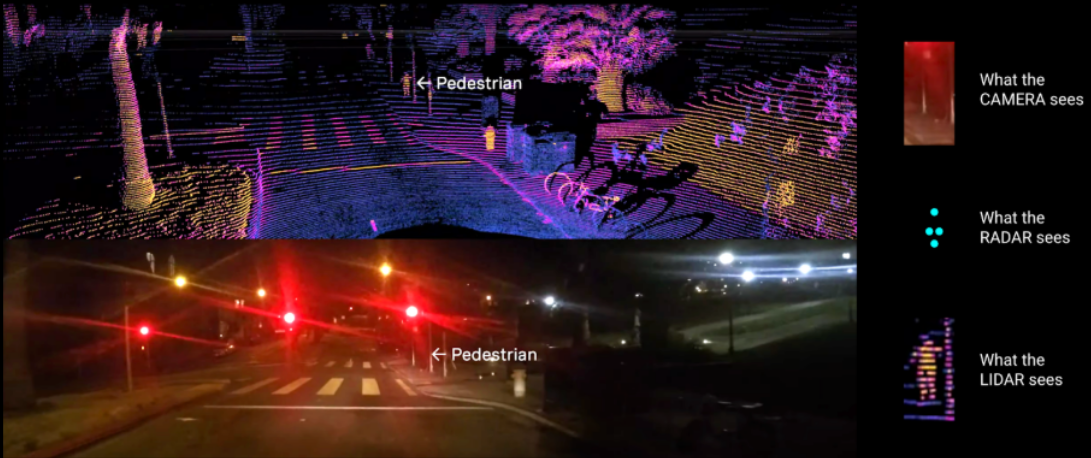
Turning urban LiDAR data into AI-powered, searchable insights for safer and smarter mobility in Wesel.
2026–2028
Making modern AI systems more reliable and transparent when operating in open-world environments.
2026–2028
Investigate the possibilities and limitations of so-called foundation models in computer-aided image recognition and to develop new methods for improving these models.
2024–2027
How to make the interpretation of image data for automated driving more reliable.
2024–2027
Easy creation of 3D models with photogrammetry and AI
2024–2027
Exploring the frontiers of foundation models in computer vision.
2024–2025
Making the use of artificial intelligence safer.
2022–2025 (finished)
A multidisciplinary group committed to understanding and improving AI robustness in real-world scenarios.
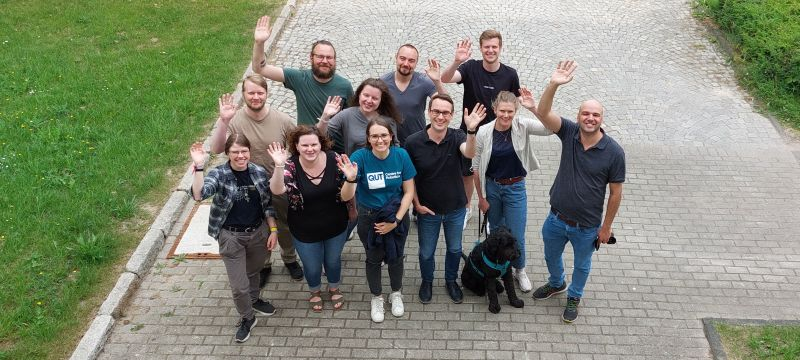
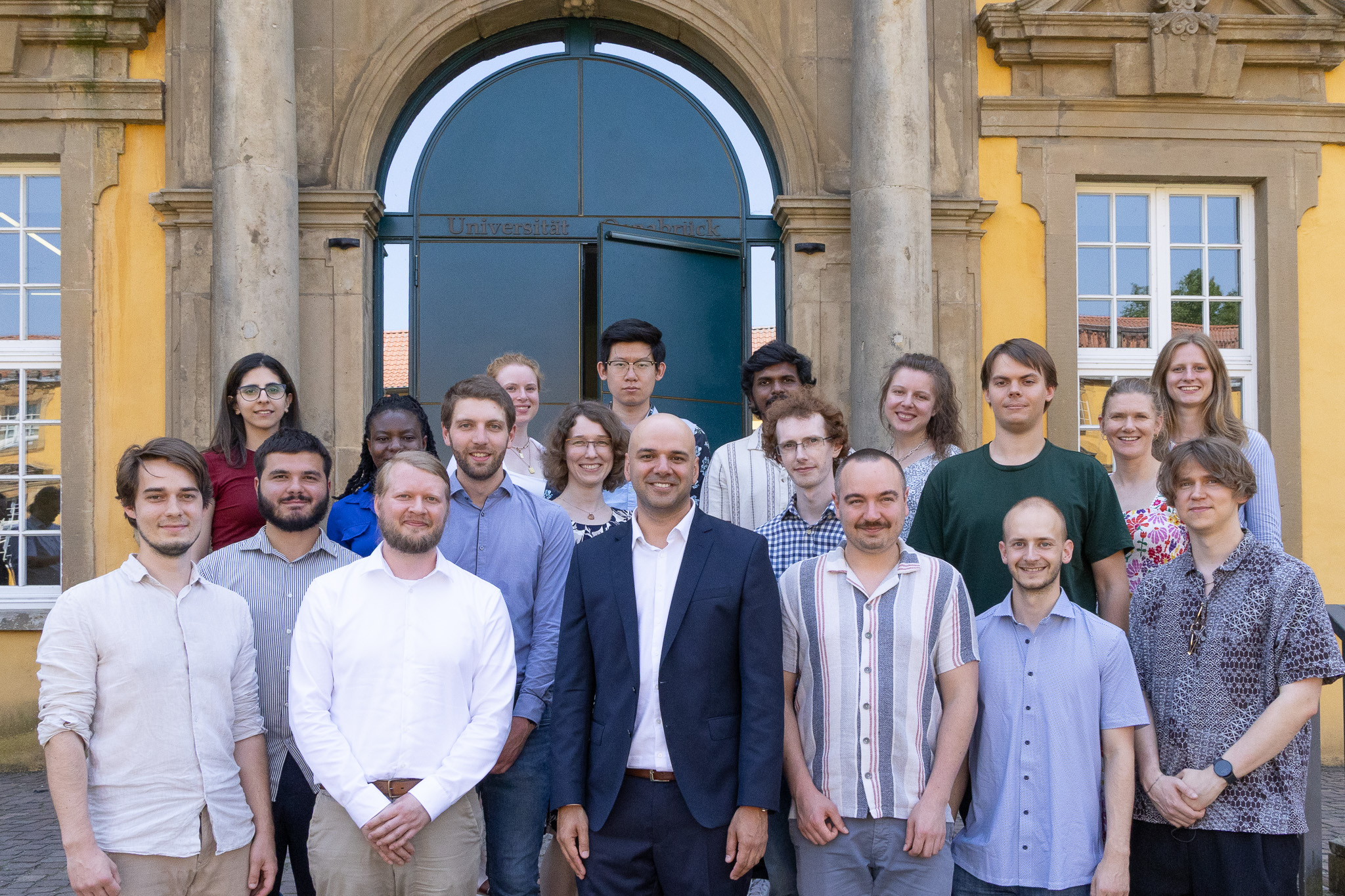
Meet the Team